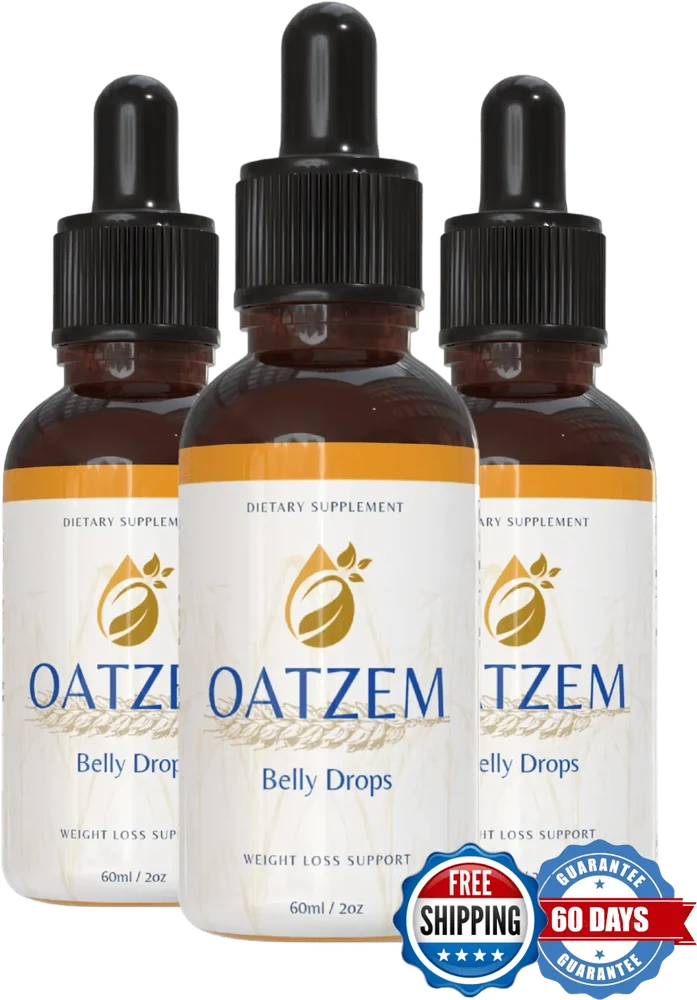
-
Energy & thermogenesis · Camellia sinensis leaf
Green Tea Extract
What it is: Concentrated catechins (mainly EGCG) and usually some caffeine from the tea plant.
Research: A Cochrane review found green tea preparations produced a very small, likely unimportant weight loss in adults with overweight.* (source)
Watch for: Caffeine sensitivity; rare liver injury with concentrated extracts, especially on an empty stomach.
-
Appetite & fullness · fermented apple juice
Apple Cider Vinegar
What it is: Vinegar made by fermenting apple juice; acetic acid is the active part.
Research: A Japanese trial gave 15-30 mL of vinegar daily for 12 weeks and saw about 1-2 kg more weight loss than placebo.* (source)
Watch for: Acidic: can irritate the throat and tooth enamel; may lower potassium with some diuretics.
-
Blood sugar · from barberry and goldenseal
Berberine HCl
What it is: A yellow plant alkaloid used for centuries in Chinese and Ayurvedic medicine.
Research: Helps blood sugar in type 2 diabetes trials and shows small weight effects; NIH warns it is not “nature’s Ozempic”.* (source)
Watch for: Digestive upset; many drug interactions (diabetes medicine, cyclosporine, CYP-processed drugs); not in pregnancy.
-
Blood sugar · Lagerstroemia speciosa
Banaba Leaf
What it is: Leaves of a tropical crepe-myrtle tree; corosolic acid is the studied compound.
Research: A few small trials found modest glucose lowering; weight data are thin.* (source)
Watch for: May add to diabetes medicine; one report of kidney problems with high doses.
-
Blood sugar · Cinnamomum species
Cinnamon Bark
What it is: The familiar kitchen spice; supplements use cassia or Ceylon cinnamon.
Research: NIH says studies on blood sugar are mixed and it is not a substitute for medical care.* (source)
Watch for: Cassia contains coumarin, which can harm the liver in large amounts.
-
Digestion & warmth · Zingiber officinale
Ginger Root
What it is: The pungent root used in cooking and for nausea for thousands of years.
Research: Good evidence for some kinds of nausea; small studies on appetite and calorie burning.* (source)
Watch for: Heartburn and stomach upset; may add to blood thinners at high doses.
-
Energy · Panax ginseng root
Korean Ginseng
What it is: The classic Asian tonic root, also called red or Asian ginseng.
Research: Some studies suggest small benefits for fatigue and thinking; weight evidence is lacking.* (source)
Watch for: Insomnia; interactions with blood thinners, diabetes medicine and some antidepressants.
-
Cell defence · from grapes and knotweed
Resveratrol
What it is: A polyphenol found in red grape skins and Japanese knotweed.
Research: Strong lab and animal results, but human trials on weight and metabolism are small and mixed.* (source)
Watch for: Generally well tolerated; may affect blood clotting and some liver enzymes.
The formula at a glance
The seller features eight botanicals but does not publish the amount of each, the serving size or a Supplement Facts panel on its website. The table shows what studies typically used, so you can compare once you see your bottle.
| Ingredient | Main proposed role | Typical study amount | Evidence |
|---|---|---|---|
| Green tea extract | Energy, fat burning | 270-1,200 mg catechins/day | Low |
| Apple cider vinegar | Fullness, glucose | 15-30 mL vinegar/day | Low |
| Berberine HCl | Blood sugar, weight | 500-1,500 mg/day | Moderate |
| Banaba leaf | Blood sugar | 32-48 mg extract/day | Very low |
| Cinnamon bark | Blood sugar | 1-6 g/day | Mixed |
| Ginger root | Digestion, fullness | 1-2 g/day | Low |
| Korean ginseng | Energy | 200-400 mg extract/day | Very low |
| Resveratrol | Antioxidant | 150-1,000 mg/day | Very low |
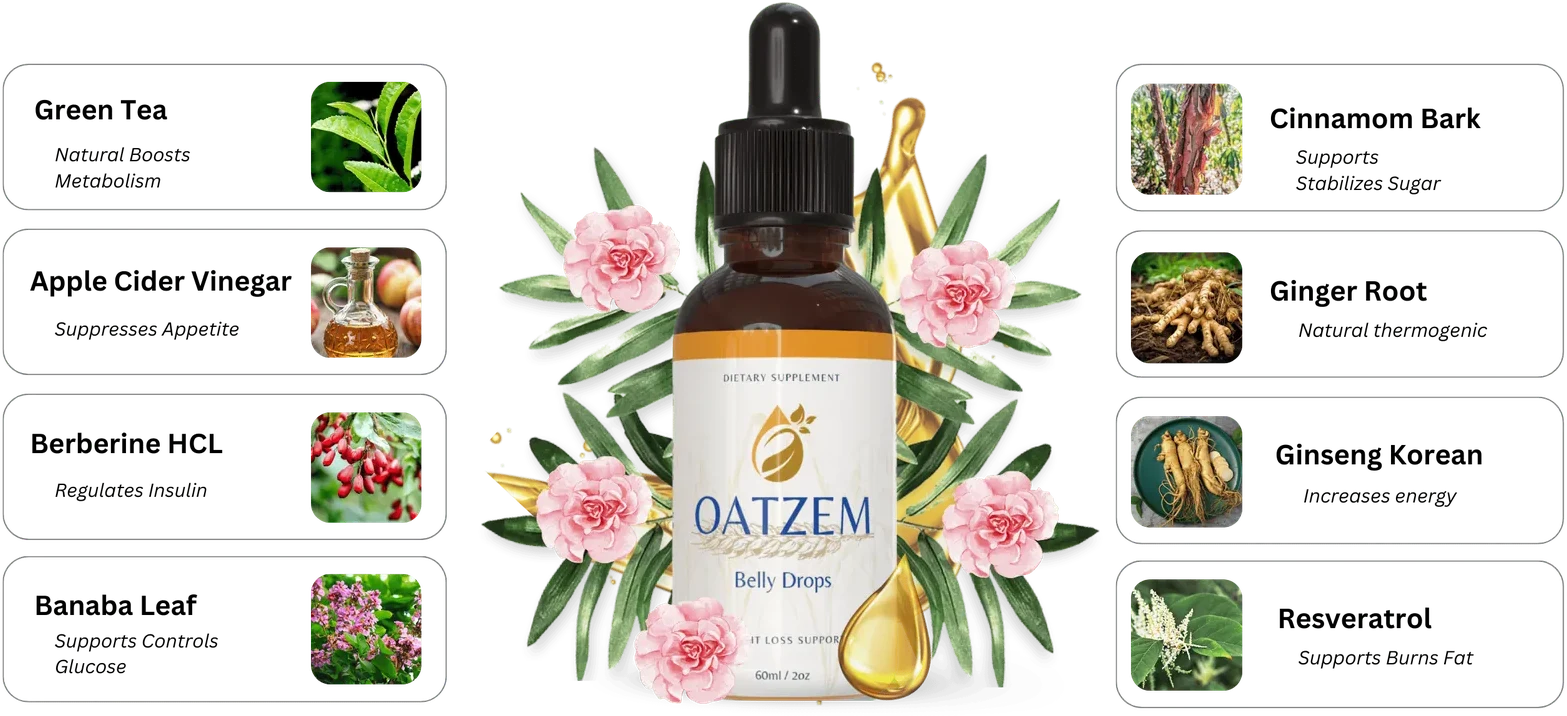
Brand graphic; its short claims (such as “burns fat”) are the seller’s wording.
An illustration of each ingredient’s proposed role, based on published research, not a measured effect of OatZem.
Green Tea Extract: the details
Green tea extract concentrates the leaf’s catechins, especially EGCG, and often keeps some caffeine. Catechins and caffeine together slightly raise energy expenditure and fat oxidation in short lab studies.
Evidence: the Cochrane review of 18 trials found weight loss so small it was unlikely to matter clinically. The Linus Pauling Institute summarises tea’s wider health research.
Safety: NCCIH notes rare liver injury with concentrated extracts; a systematic review linked risk to high EGCG doses taken fasting. More in Green tea extract and weight.
Apple Cider Vinegar: the details
Vinegar’s acetic acid slows stomach emptying and blunts the blood-sugar rise after a starchy meal, which may increase fullness.
Evidence: the most cited trial (Kondo et al., 2009) gave 175 Japanese adults with obesity a drink containing 15 or 30 mL of vinegar daily for 12 weeks; they lost about 1-2 kg more than placebo and regained it after stopping. One trial is not much to build on. More in Apple cider vinegar and weight.
Safety: always diluted; undiluted vinegar can damage teeth and the throat.
Berberine HCl: the details
Berberine activates AMPK, the cell’s energy sensor, improving how the body handles glucose. It has the strongest evidence of the eight, mostly for blood sugar in type 2 diabetes.
Evidence: a meta-analysis on obesity indices found small reductions in weight, BMI and waist. The NIH’s NCCIH cautions that the “nature’s Ozempic” label is not supported.
Safety: digestive upset; interactions with diabetes drugs, cyclosporine and medicines processed by liver enzymes; MedlinePlus rates it likely unsafe in pregnancy and breastfeeding. More in Berberine and weight: the facts.
Banaba Leaf: the details
Banaba is a tropical crepe-myrtle whose leaves are a folk remedy for diabetes in the Philippines. The compound studied most is corosolic acid.
Evidence: a review of banaba and corosolic acid found modest glucose lowering in small trials and very little on weight. More in Banaba and cinnamon for blood sugar.
Safety: may add to diabetes medicine.
Cinnamon Bark: the details
Cinnamon has been studied for blood sugar for two decades. NCCIH summarises the results as mixed and says cinnamon should not replace medical care.
Safety: cassia cinnamon contains coumarin, which can harm the liver in sensitive people at high intakes. Ceylon cinnamon contains much less.
Ginger Root: the details
Ginger’s gingerols and shogaols give it warmth and bite. It is best known for easing nausea, and NCCIH rates that evidence as reasonable.
Evidence: small studies suggest a warm ginger drink may slightly increase fullness and calorie burning after meals; the effects are small. More in Ginger and Korean ginseng.
Korean Ginseng: the details
Korean (Asian) ginseng, Panax ginseng, is a traditional tonic. NCCIH notes some evidence for thinking and fatigue but not enough for firm conclusions.
Safety: insomnia and headache; interactions with blood thinners, diabetes medicine and some antidepressants.
Resveratrol: the details
Resveratrol is a polyphenol from red grapes and Japanese knotweed. The Linus Pauling Institute explains that it is absorbed well but broken down so fast that blood levels stay low.
Evidence: human trials on weight and metabolism are small and mixed. More in Resveratrol explained.
What about oats?
Despite the name and the wheat-like art on the label, no oat ingredient (such as oat fibre or beta-glucan) is listed among the featured ingredients. If you want the proven cholesterol and fullness benefits of oat beta-glucan, a bowl of oatmeal is an easy way to get it.
Ready to compare the OatZem packages? From $49 a bottle on the 6-bottle order, with a 60-day money-back guarantee. Read the safety guide first if you take any medicine.
Check Today’s OatZem PriceQuestions
Which OatZem ingredient has the best evidence?
Berberine, mostly for blood sugar, followed by green tea and apple cider vinegar for small weight effects.
Does OatZem contain caffeine?
Green tea extract often contains caffeine. The seller does not state the amount, so assume some caffeine unless your label says decaffeinated.
Are the ingredients natural?
They are plant-derived, though resveratrol is often produced from knotweed or by fermentation. We do not show the seller’s “100% natural” badge.